

If you are working out whether a smart toilet fits your bathroom budget, the purchase price is only part of the equation. The total usually has three layers: the product, the installation (which may include electrical work), and ongoing running costs. Many Australian homeowners are caught out by the second layer, because our bathrooms often were not designed with a power point near the toilet.
The three cost layers you need to separate
The product cost covers the smart toilet unit itself and varies with the features included. The installation cost covers removing the old toilet, connecting the new one to the water supply and waste, and any electrical work needed. The running cost is what you pay over time, such as electricity and possibly consumables like filters or descaling products.
This split matters because two households can buy the same toilet and pay very different totals, depending on what their bathroom already has. A bathroom with a suitable power point near the toilet is a very different project from one where a new circuit has to be run. Until you know which situation you are in, you cannot really estimate your total.
If you are still deciding what kind of smart toilet suits your household, the guide on how to choose the best smart toilet in Australia for your bathroom is a useful companion to this cost breakdown.
Product cost: what you are actually paying for
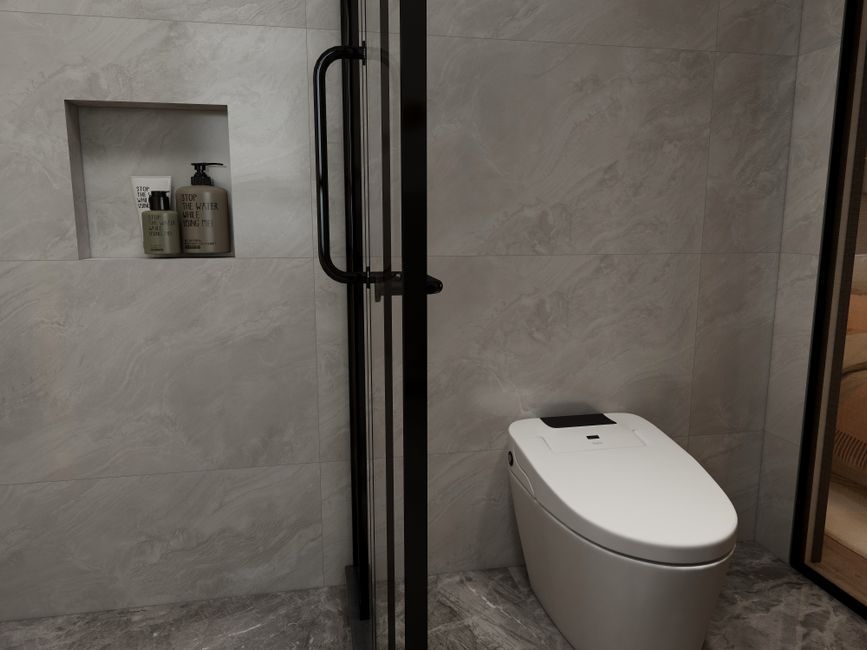
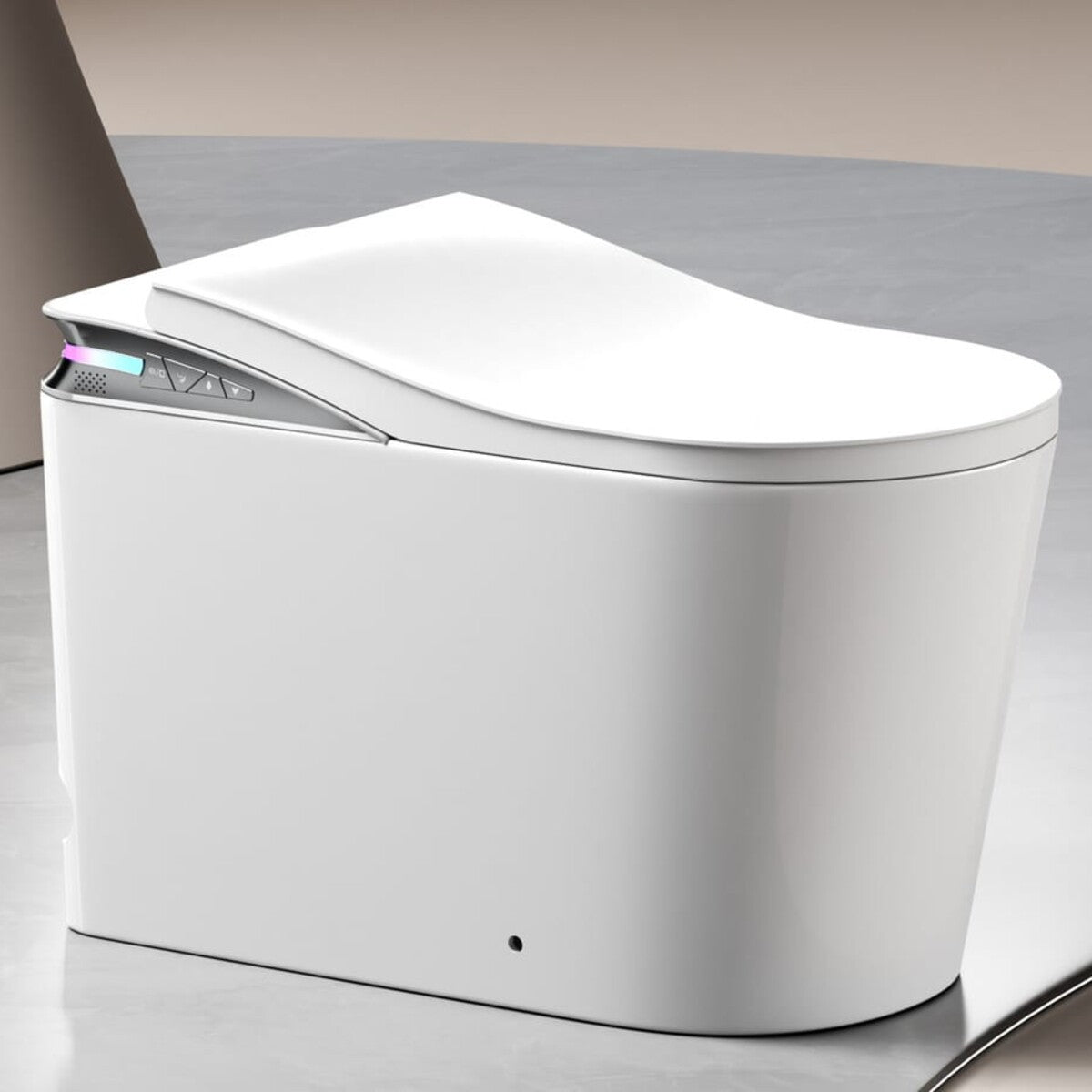
Price differences usually reflect features rather than the basic function of flushing. A smart toilet is typically a full unit with an integrated bidet-style washing function, and often drying as well. Some homeowners instead choose a smart toilet seat fitted to an existing toilet, which is a different price point and a different installation job.
When comparing products, look at what each one includes so you are comparing like with like. Ask:
- Does it include a washing function, and is drying included?
- Does it need a remote control or a wall-mounted panel, and is that included?
- What maintenance does the manufacturer expect, and are replacement parts available in Australia?
- What does the manufacturer say about water supply and drainage requirements for your situation?
You can browse the options in the TeraHomes Smart Toilets collection, including the Dewei K2 Intelligent Toilet and the Dewei U9 Intelligent Toilet. Treat the listed specifications as a starting point for your own checks. Do not buy on price alone before you have checked the installation requirements, because a cheaper unit that needs more work may not end up cheaper overall.
Installation costs: where Australian bathrooms often add expense
This is the section that most affects your real budget, and it is the part people most often underestimate.
Many existing Australian bathrooms do not have a power point positioned where a smart toilet needs one. If yours does not, you will need electrical work to provide a safe supply to that location. That work is a job for a licensed electrician and is not something to arrange after the toilet has been delivered.
Electrical work in wet areas such as bathrooms is treated seriously in Australia, and the requirements depend on your state or territory, your home's wiring, and the specific location of the outlet. Do not rely on a general rule you have read online. Ask your licensed electrician what applies to your property, and get their assessment before you commit to a purchase.
The plumbing side also matters. Installing a new toilet involves connecting to the water supply and the waste outlet, and this generally needs a licensed plumber. If the new unit's requirements do not match your existing connections, there may be additional work. For a renovation where waterproofing is being disturbed, a waterproofer may also be involved, which is one reason a smart toilet upgrade during a full renovation can be easier to plan than a standalone swap.
Questions to ask a licensed electrician:
- Can a power point be installed in the position this toilet needs?
- What work is involved in getting a safe supply to that spot, and does it affect my switchboard?
- What do I need to know about electrical requirements for wet areas in my state or territory?
- Is there anything about my existing wiring that would change the approach?
- What should I arrange before the toilet is delivered?
Getting answers before you buy is the single most useful thing you can do for your budget, because it converts an unknown into a known cost.
Running costs and ongoing maintenance
Running costs are usually the smallest layer, but they are not zero. Electricity use depends on the features a model has and how often they are used. Rather than accepting a general figure, check the product documentation for the model you are considering, and ask the retailer if you cannot find it. If a model uses filters or requires descaling, factor in the cost and availability of those consumables, because a product that is hard to maintain in Australia becomes expensive over time.
It also helps to think about longevity. A smart toilet has electronic components, and repairs may need a technician, so ask about local service and parts availability and what the manufacturer expects in terms of care. If you cannot get a straight answer, treat that as useful information.
If you are planning a broader bathroom refresh at the same time, it can make sense to co-ordinate the trades. The guide on how to choose the right bathroom vanity size for an Australian home is a good example of planning the whole room rather than one item in isolation, which often reduces total disruption and cost.
Deciding whether a smart toilet fits your budget
Work through it in order:
- Confirm your electrical situation. If you do not have a suitable power point near the toilet, get a licensed electrician to assess the work and give you a figure.
- Confirm your plumbing situation. Ask a licensed plumber whether your existing connections suit the unit you are considering.
- Add the product cost. Compare like with like, and check the manufacturer's requirements against your bathroom.
- Add the running and maintenance costs. Check documentation and parts availability.
- Compare the total against alternatives. A smart toilet seat on an existing toilet, or a conventional toilet upgrade, may suit a tighter budget or a bathroom where electrical work is difficult.
If the total fits your budget and your bathroom can support it, a smart toilet can be a worthwhile upgrade. If the electrical work pushes it out of reach, the timing or the approach may simply need to change. Either way, you now know what to ask and who to ask.
Frequently Asked Questions
Do I always need an electrician for a smart toilet?
Often, but not always. It depends on whether a suitable power point already exists near the toilet and whether your existing wiring can support the installation. A licensed electrician should assess your bathroom before you buy.
Can I install a smart toilet myself?
The electrical connection should be handled by a licensed electrician, and the plumbing connection generally requires a licensed plumber. Installation requirements vary by product and property, so confirm with a qualified tradesperson.
Is a smart toilet seat cheaper than a full smart toilet?
They are different products with different price points and installation requirements. A seat fitted to an existing toilet is generally a smaller change, but compare the full cost of each option, including any electrical work.
What should I check before ordering a smart toilet?
Check the manufacturer's stated requirements for water supply, drainage and power, confirm parts and service availability in Australia, and have a licensed electrician assess whether a suitable power supply can be provided.
Will a smart toilet increase my electricity bill much?
Any powered fixture uses some electricity, but the amount depends on the model and how you use it. Check the product documentation for the model you are considering.